The Collection
Resonance and Character
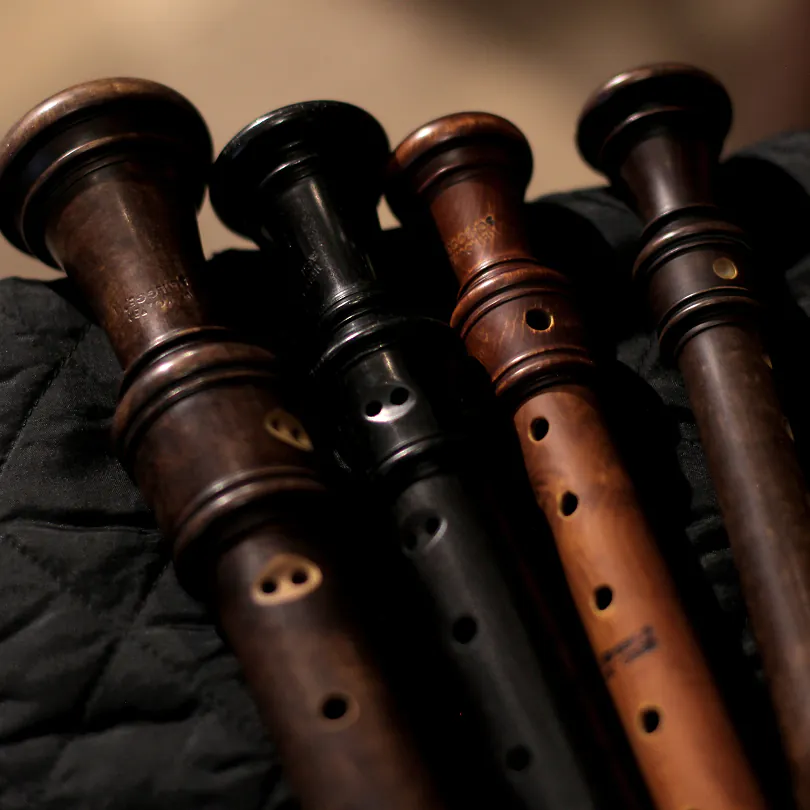
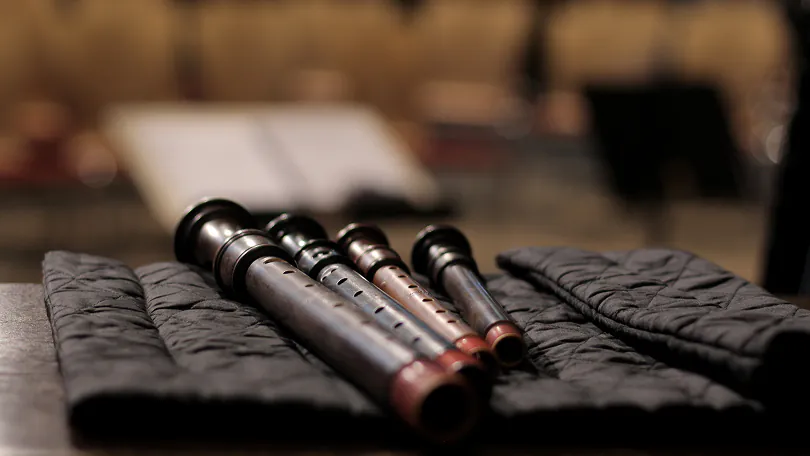
Exploring the many recorder sizes and models that existed during the Baroque and Renaissance periods is a constant source of inspiration to me and has become a lifelong passion. For me, a beautifully sounding instrument has resonance, character, and... some mystery. There must be something in its sound that I can’t fully grasp, something in which I keep discovering new facets, and that continues to surprise and challenge me and my interpretations.
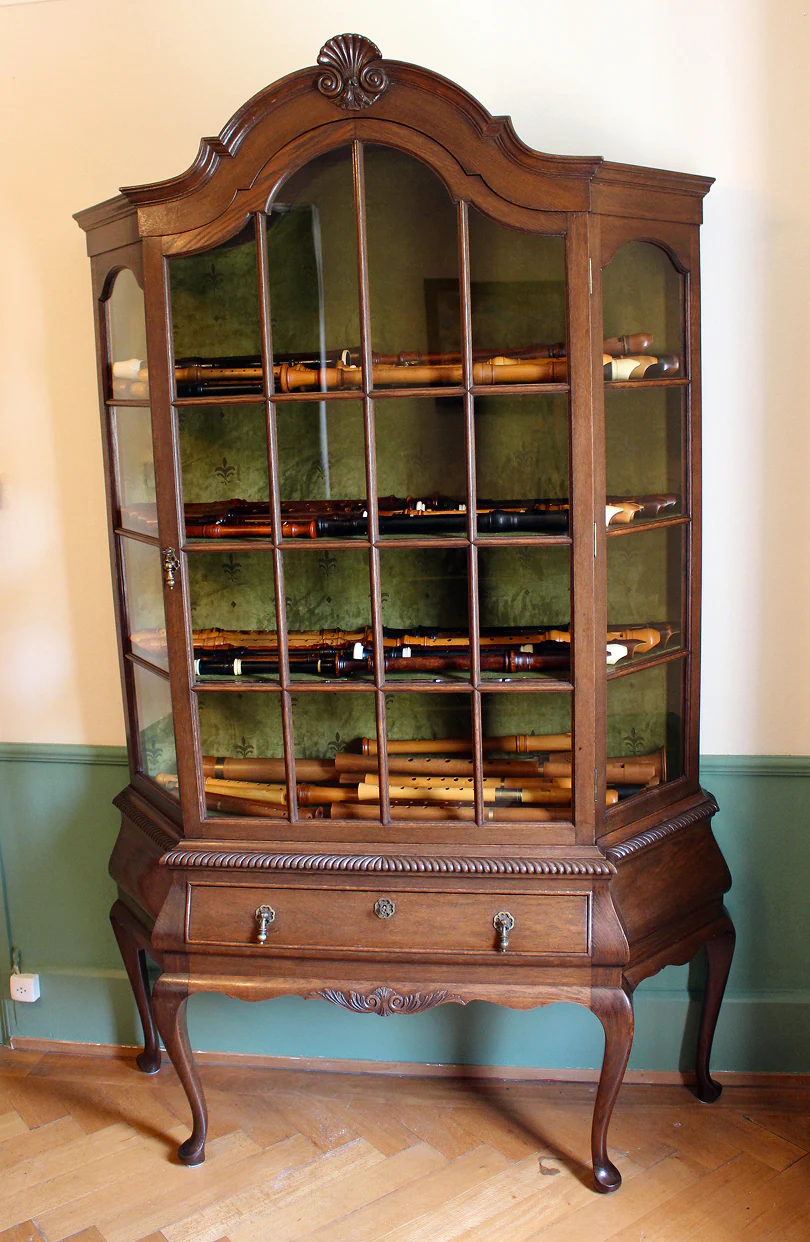
Below you will find a glimpse into my collection, kept in an antique display cabinet in my collection in Lucerne. Many of these instruments accompany me on stage, during teaching, and recording sessions. Each instrument is chosen for the unique voice it brings to the music.
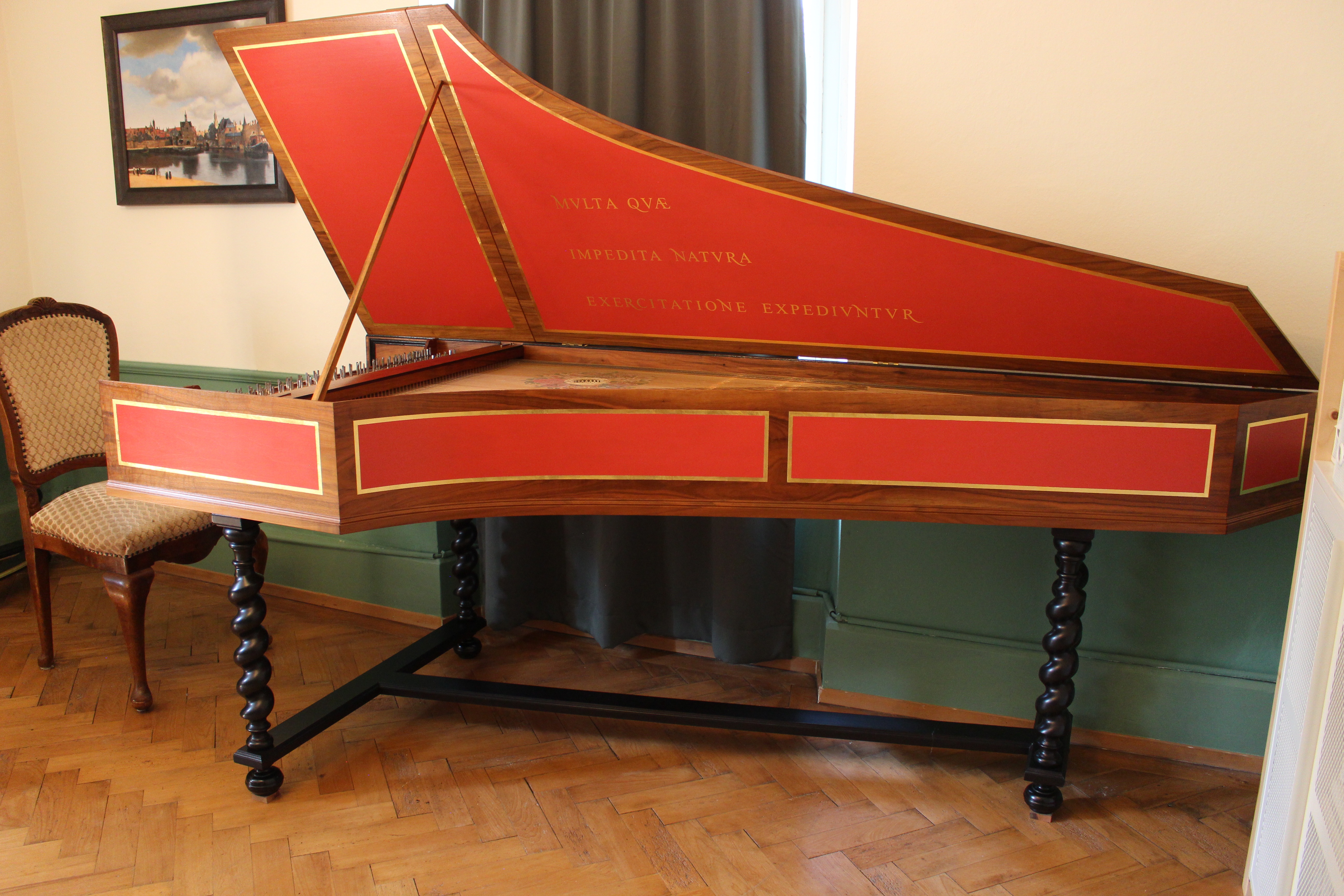
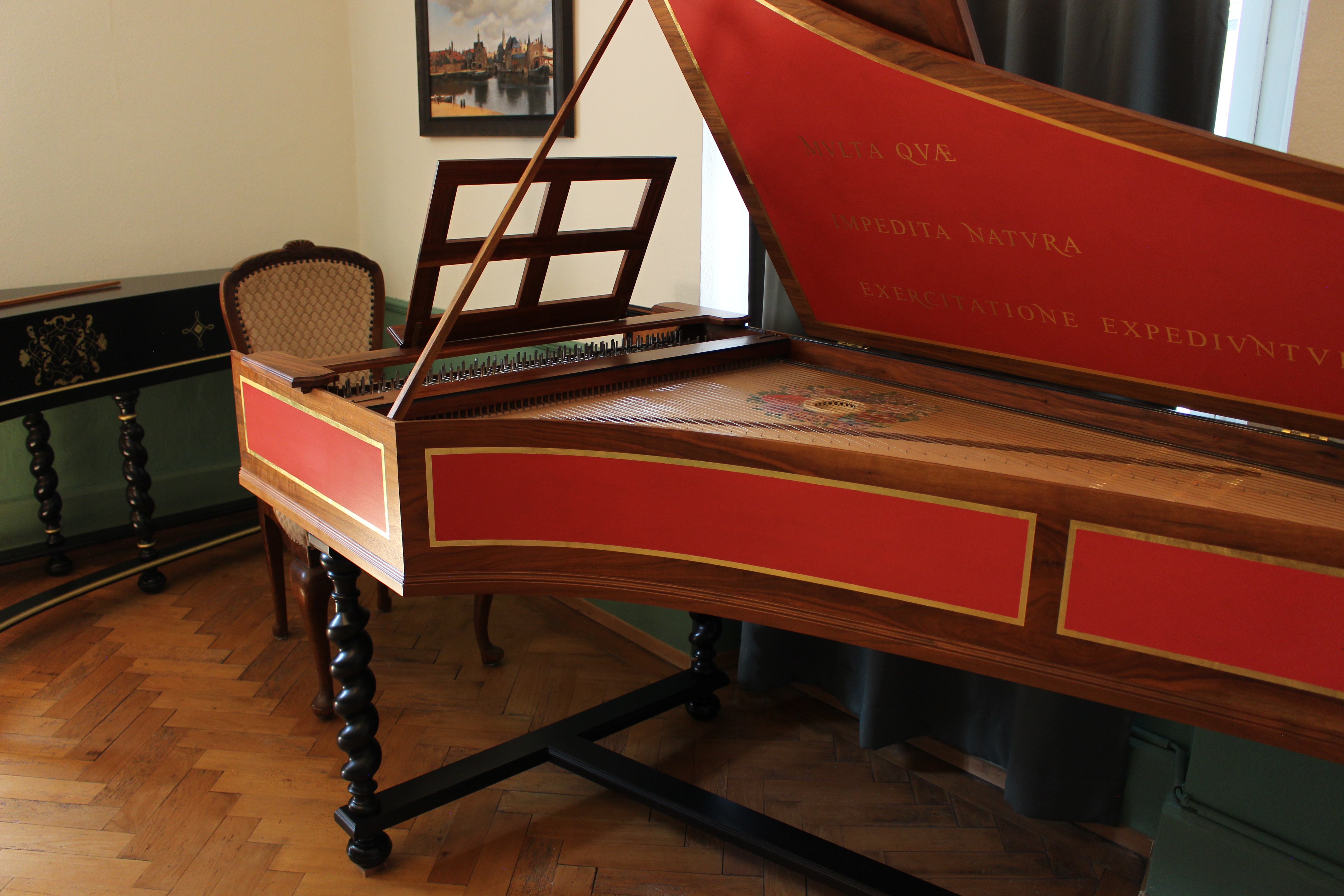
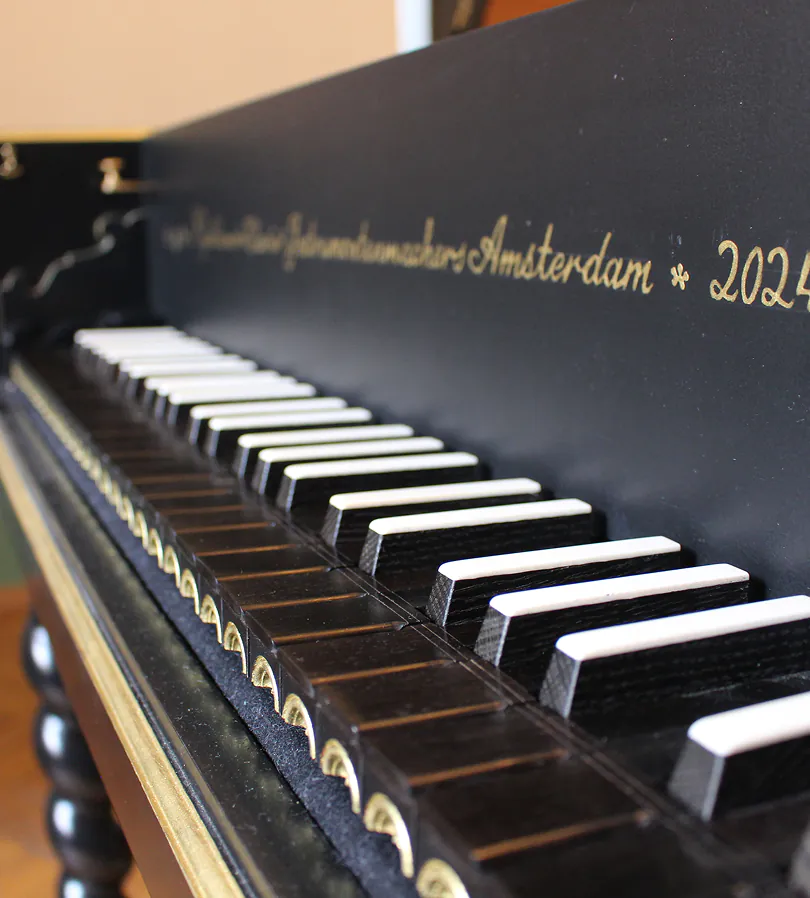
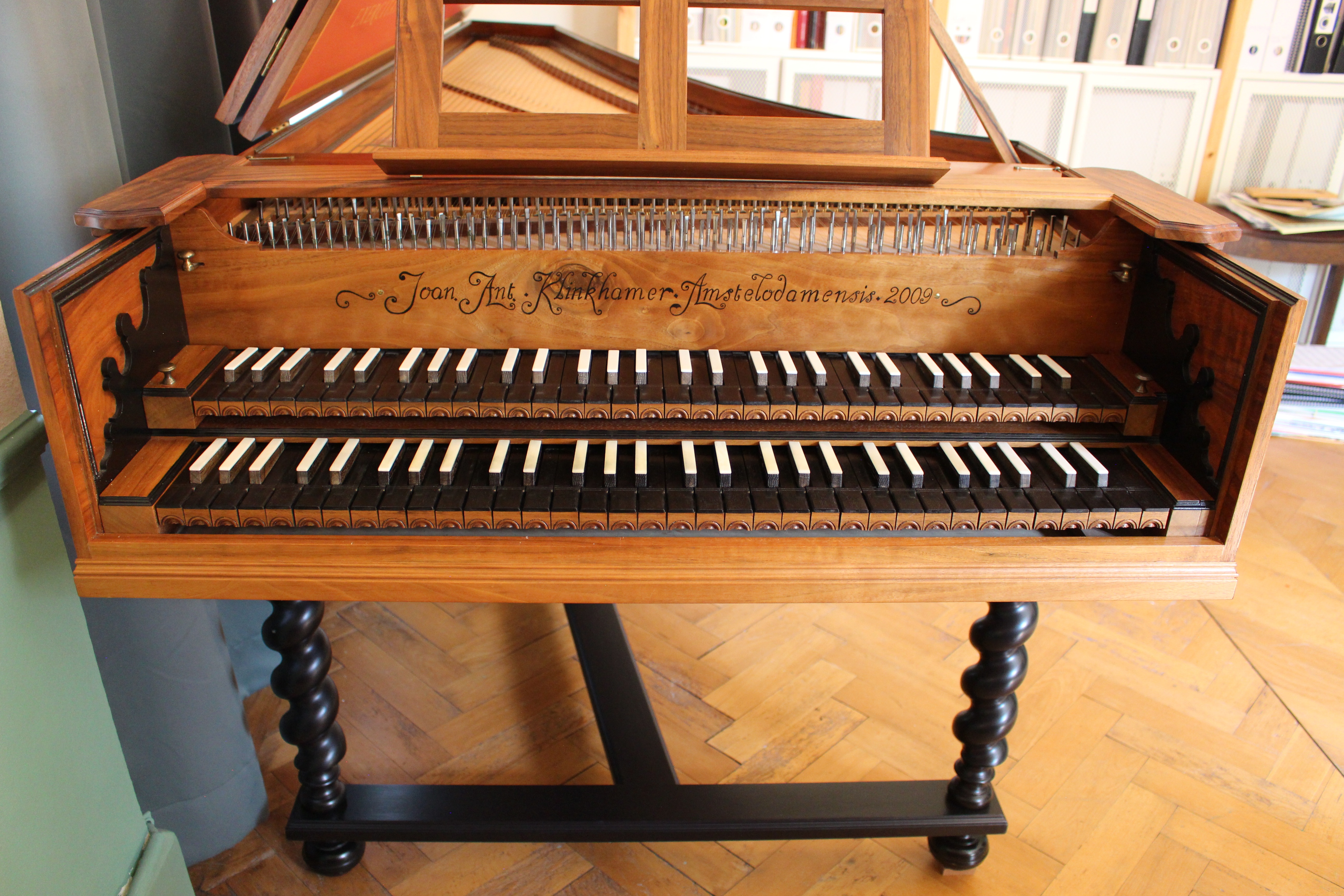
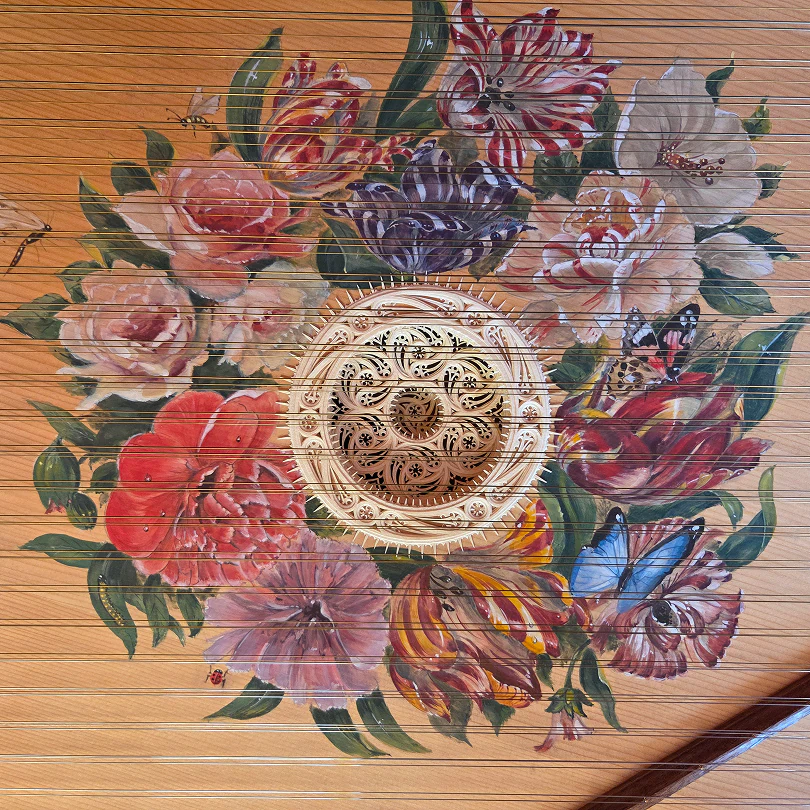
I am also the lucky owner of two fantastic harpsichords, handmade by Klinkhamer Harpsichords in Amsterdam. These instruments are available for rent, including transport and optional tuning services, for recording sessions, rehearsals, and concerts in Switzerland.
Some high Baroque
F-alto recorders
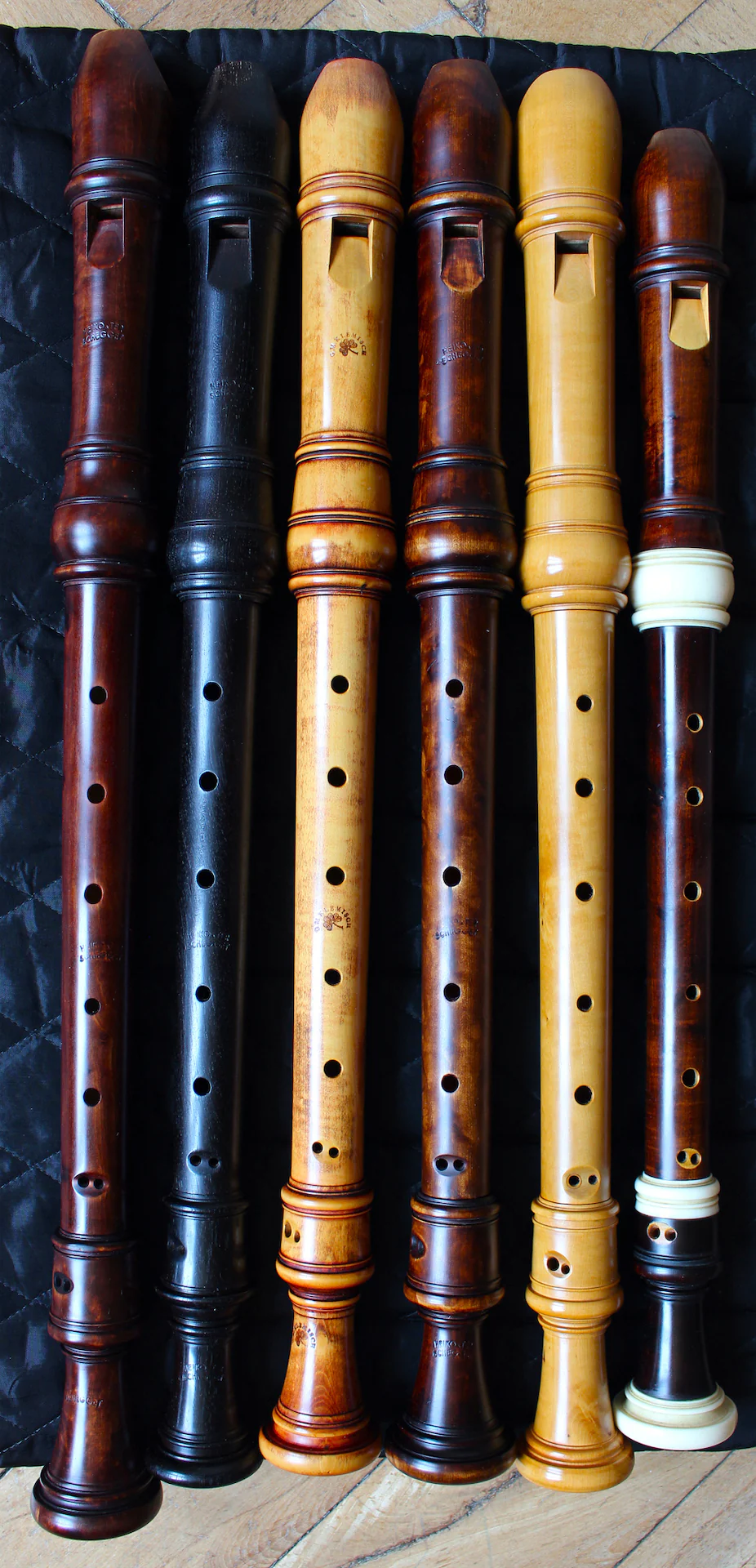
The F-alto recorder became the ‘standard’ size during the last decades of the 17th century and it is the size I use most often. As a result, I have a wide range of altos in different pitches, woods, and models. Here are some of the alto recorders I use most frequently.
Left to right:

made by Heiko ter Schegget (a’=392 hz.)
made by Heiko ter Schegget (a’=415 hz.)
made by Guido Klemisch (a’=415 hz.)
made by Heiko ter Schegget (a’=415 hz.)
made by Martin Skowroneck (a’=415 hz.)
made by Fumitaka Saito (a’=440 hz.)
Dutch recorders
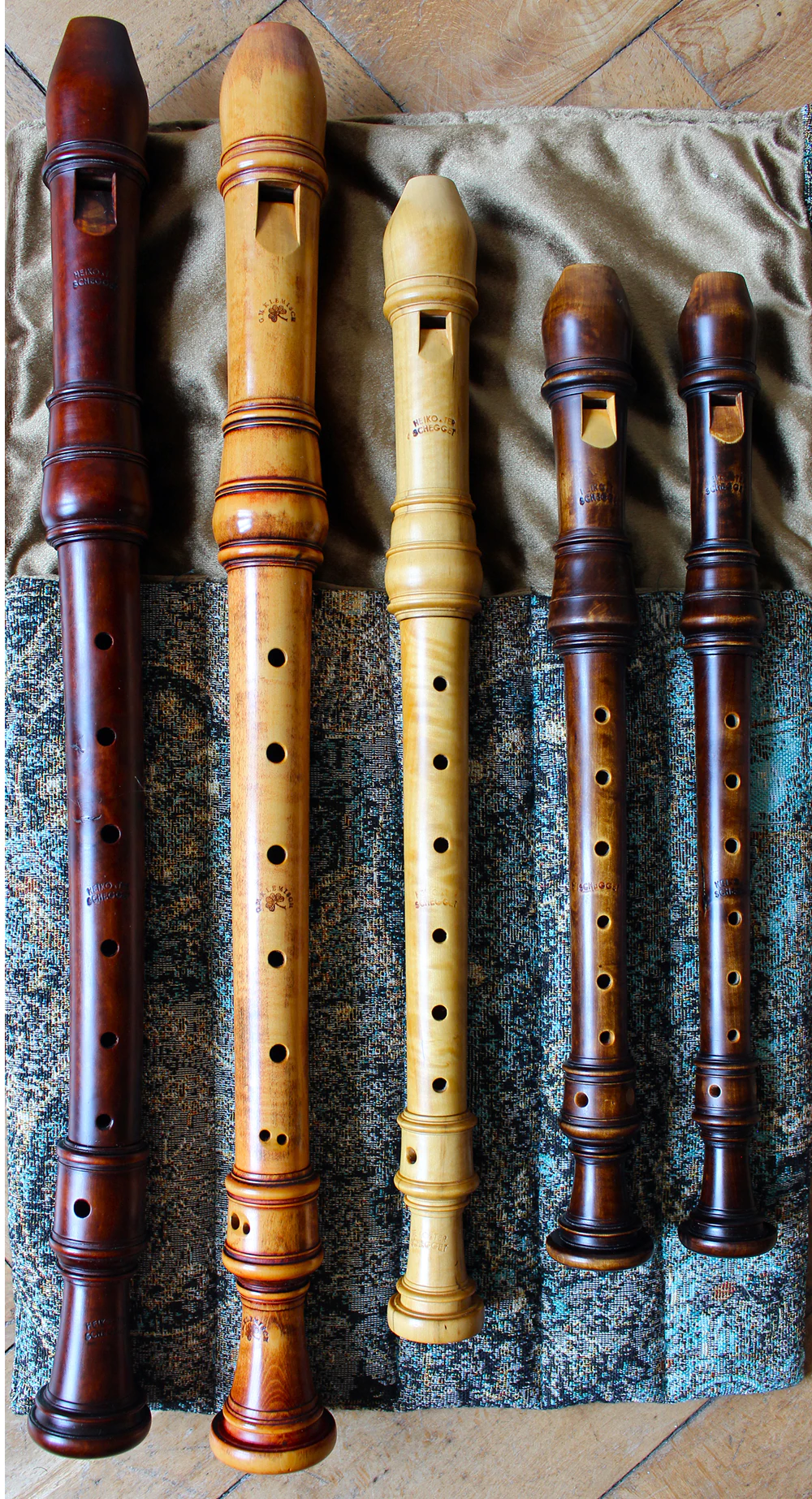
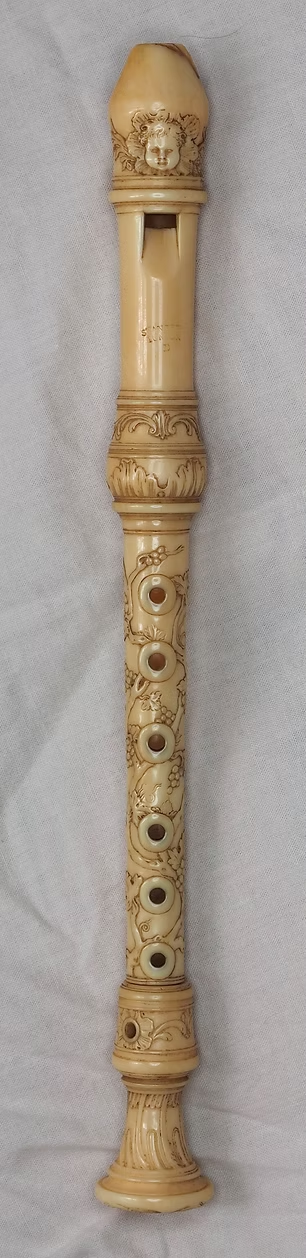
Amsterdam was an important centre of recorder making in the late 17th and early 18th centuries, with makers such as Richard Haka, Albert van Heerde, Abraham van Aardenberg, Jan Steenbergen, Willem Beukers, and Engelbert Terton. Several of these makers were connected through apprenticeships and professional networks, contributing to a rich and varied Dutch tradition of recorder making. Their instruments were sometimes made from precious materials such as ivory, silver, and exotic woods.
I have had the privilege of playing some of the surviving originals in Dutch museums and private collections, and I own copies of several particularly interesting Dutch recorders, which I frequently use in my concerts and recordings.
Left to right:
made by Heiko ter Schegget (a’=415 hz.)
made by Guido Klemisch (a’=415 hz.)
made by Heiko ter Schegget (a’=415 hz.)
made by Heiko ter Schegget (a’=415 hz.)
made by Heiko ter Schegget (a’=415 hz.)
English recorders
While the recorder was increasingly being overshadowed by the transverse flute in France during the early 18th century, it enjoyed a remarkable heyday in London. Makers such as Peter Bressan and Thomas Stanesby Sr. and Jr. produced some of the finest recorders of the period. At the same time, a wealth of recorder music and recorder methods were published for London's growing community of professional and amateur recorder players. John Walsh, for example, published arrangements of Corelli's violin sonatas for recorder, including his famous Six Solos for a Flute and a Bass, “Transpos'd and made fitt for a Flute and a Bass with the aprobation of severall Eminent Masters”.
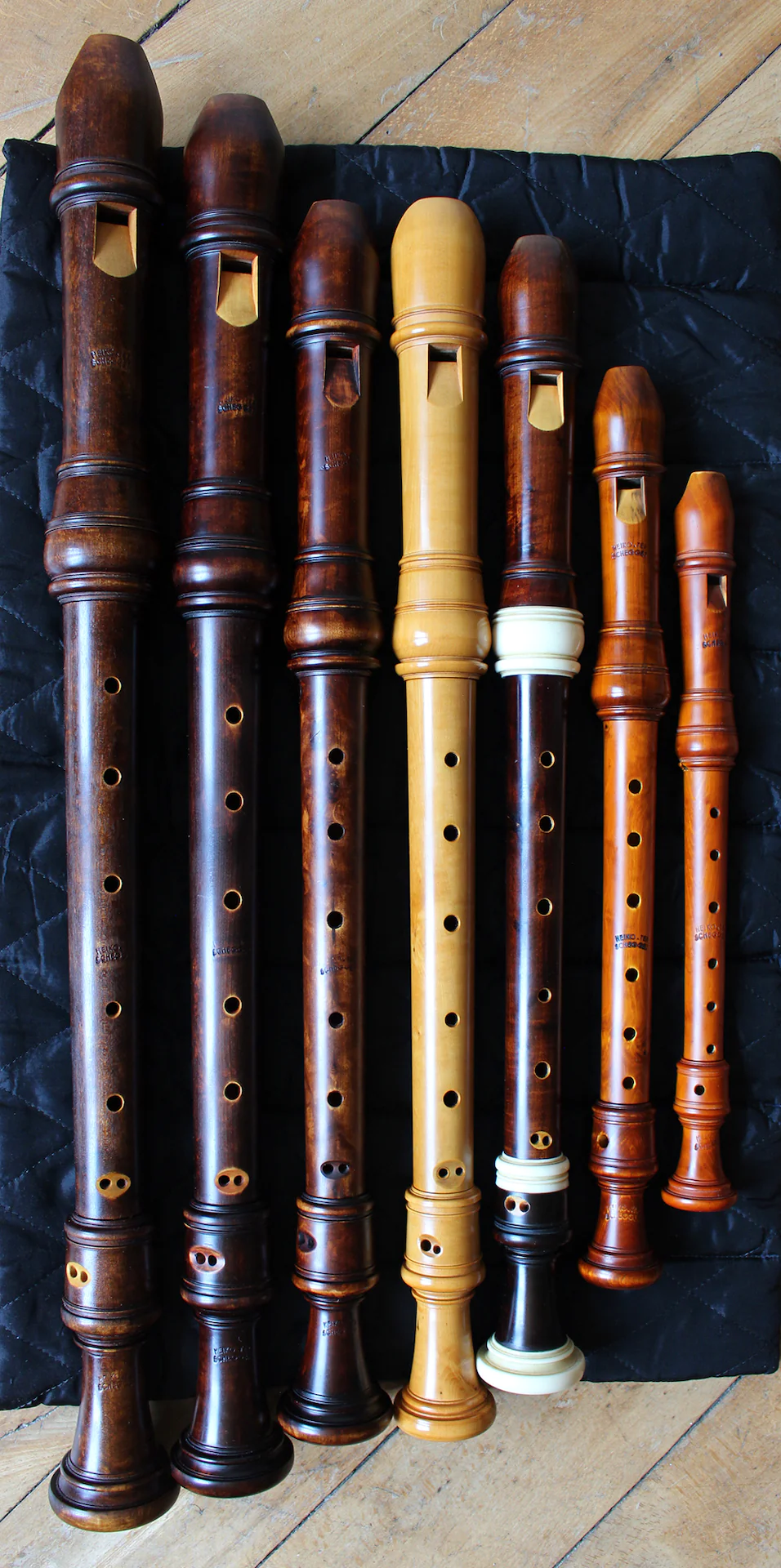
The recorder's popularity in London was closely connected with the city's Italophilia –, its enthusiasm for Italian music. This makes English recorders particularly well suited not only to the music of Purcell and Handel, but also to the many Italian works that circulated in London during this period. I therefore often choose English recorders for this repertoire.
Left to right:
made by Heiko ter Schegget (a’=415 hz.)
made by Heiko ter Schegget (a’=415 hz.)
made by Heiko ter Schegget (a’=415 hz.)
made by Martin Skowroneck (a’=415 hz.)
made by Fumitaka Saito (a’=440 hz.)
made by Heiko ter Schegget (a’=415 hz.)
made by Heiko ter Schegget (a’=415 hz.)
German recorders
A significant part of the high Baroque recorder repertoire was written by German composers, and the music of Bach and Telemann in particular holds a special place in my concert programmes.
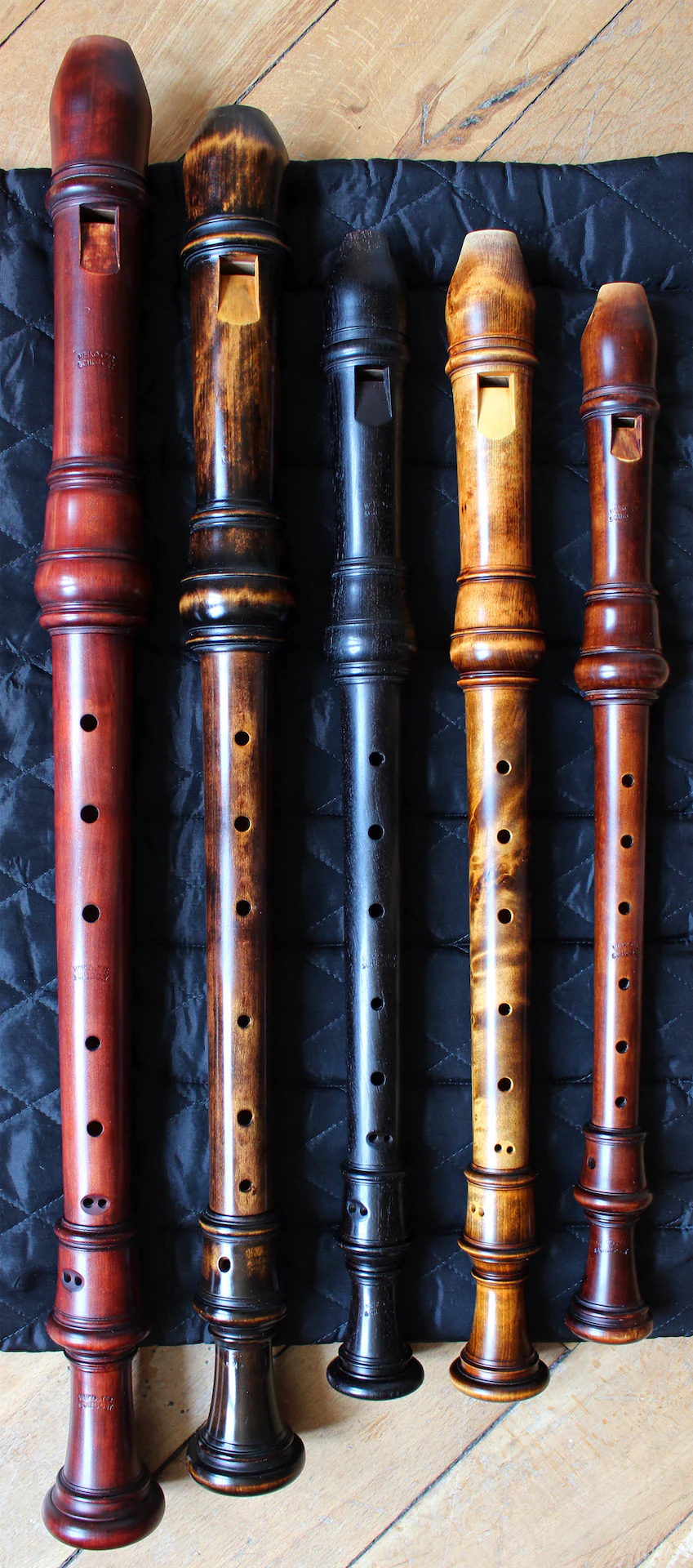
Nuremberg was an important centre of woodwind instrument making in the late 17th and early 18th centuries, with makers such as the Denner family, Johann Benedikt Gahn, Johann Schell, and Johann Wilhelm Oberlender. The Nuremberg makers adopted and further developed the new French Baroque construction principles (particularly those associated with the Parisian Hotteterre family), adapting earlier Renaissance-style wind instrument models to the musical and technical demands of the late 17th and early 18th centuries.
The Denner family is also traditionally credited with the invention of the clarinet. Johann Christoph Denner developed the instrument from the earlier chalumeau around the turn of the 18th century, although the earliest surviving clarinets are by his son, Jacob Denner.
Left to right:
made by Heiko ter Schegget (a’=415 hz.)
made by Guido Klemisch (a’=415 hz.)
made by Heiko ter Schegget (a’=415 hz.)
made by Fumitaka Saito (a’=415 hz.)
made by Heiko ter Schegget (a’=415 hz.)
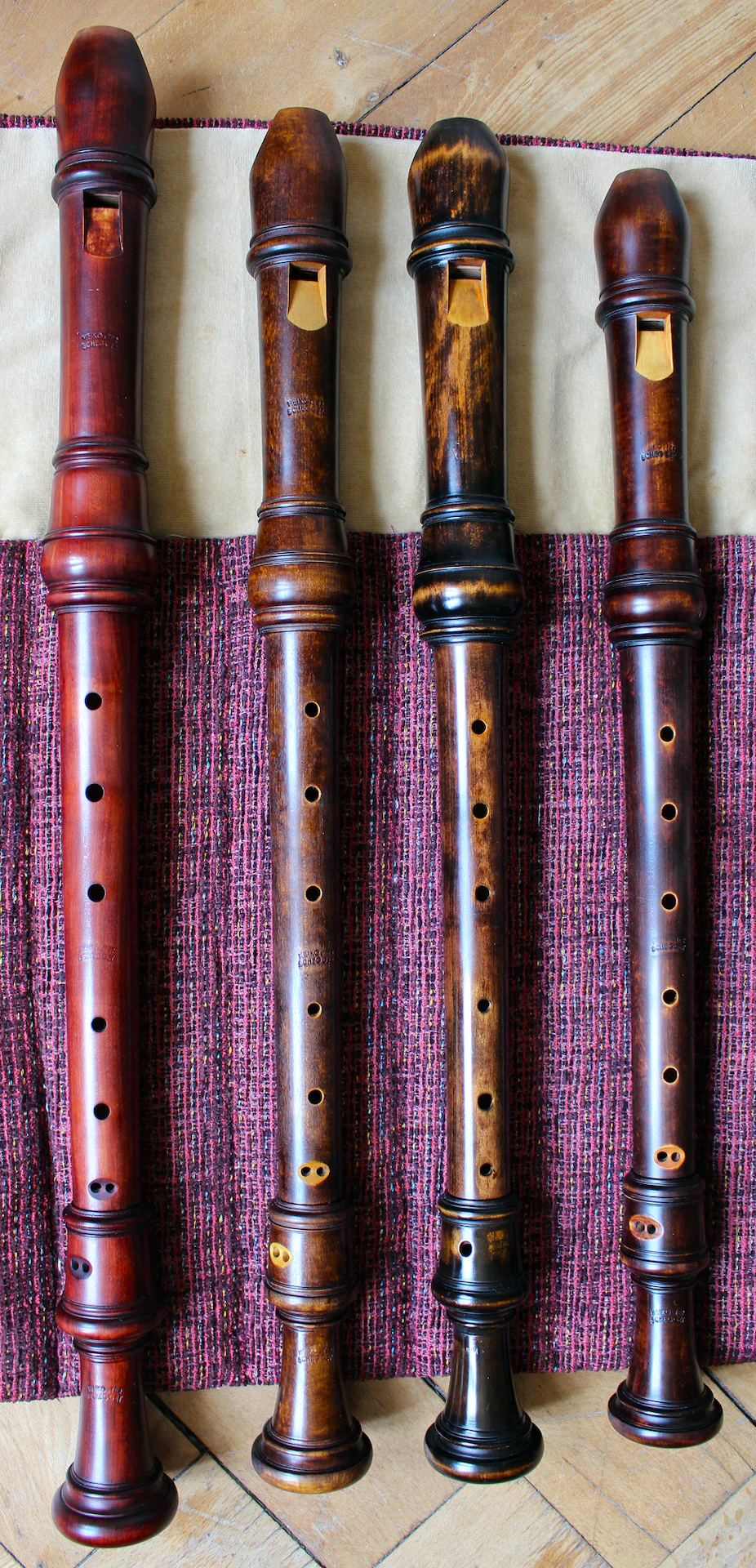
Go BIG or go home!
The recorder existed in a remarkable variety of sizes, and some of the larger instruments were particularly important in the late Baroque. In England, Thomas Stanesby Jr. famously advocated the tenor recorder in C in his A New System of the Flute à Bec, published around 1732. He proposed it as a “concert flute” that could be used in an ensemble without transposing music written for other instruments.
The voice flute, a tenor recorder in D, was another characteristic English instrument. Its pitch and range made it particularly suitable for playing music written for the transverse flute without transposition. The voice flute's by Bressan are among the finest examples of this type.
My collection includes several different approaches to these larger recorders: a tenor in C after Johann Schell, two voice flutes in D after Peter Bressan and Johann Christoph Denner, and an unusually low alto in E-flat after Bressan. Together, they offer a fascinating range of colours and possibilities beyond the standard F-alto recorder.
Left to right:
made by Heiko ter Schegget (a’=415 hz.)
made by Heiko ter Schegget (a’=415 hz.)
made by Guido Klemisch (a’=408 hz.)
made by Heiko ter Schegget (a’=415 hz.)
Special sizes
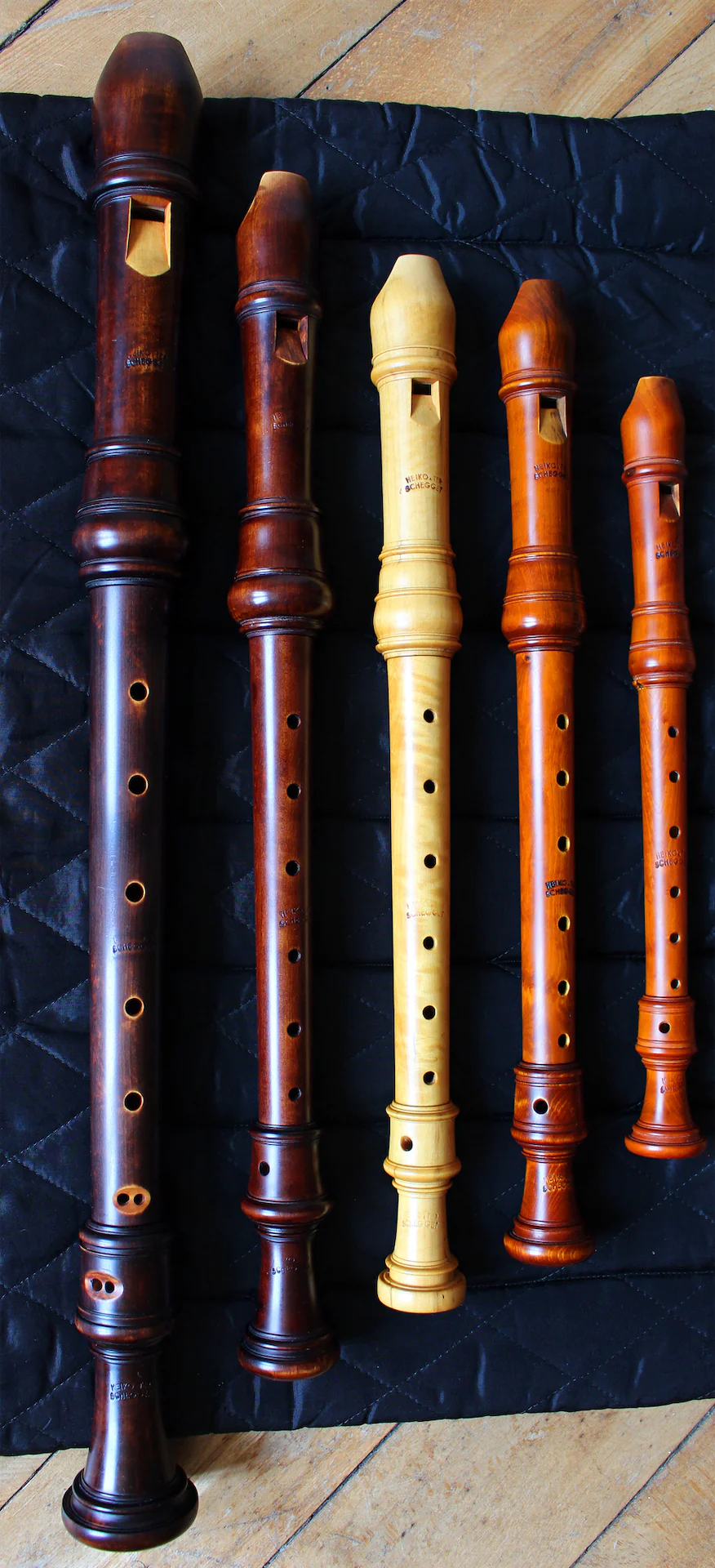
The unusual “in-between” sizes of the recorder family have always held a certain mystery for me. While the 'standard' soprano and alto have a substantial repertoire, these less common sizes appear much less frequently in the surviving music. Yet each has a distinctive character and colour, and I love exploring their possibilities in concerts and recordings.
You can hear some of these special sizes in my recordings: the third flute, the E-flat alto, and the sixth flute.
Left to right:
made by Heiko ter Schegget (a’=415 hz.)
made by Heiko ter Schegget (a’=415 hz.)
made by Heiko ter Schegget (a’=415 hz.)
made by Heiko ter Schegget (a’=415 hz.)
made by Heiko ter Schegget (a’=415 hz.)
Renaissance & Early Baroque recorders
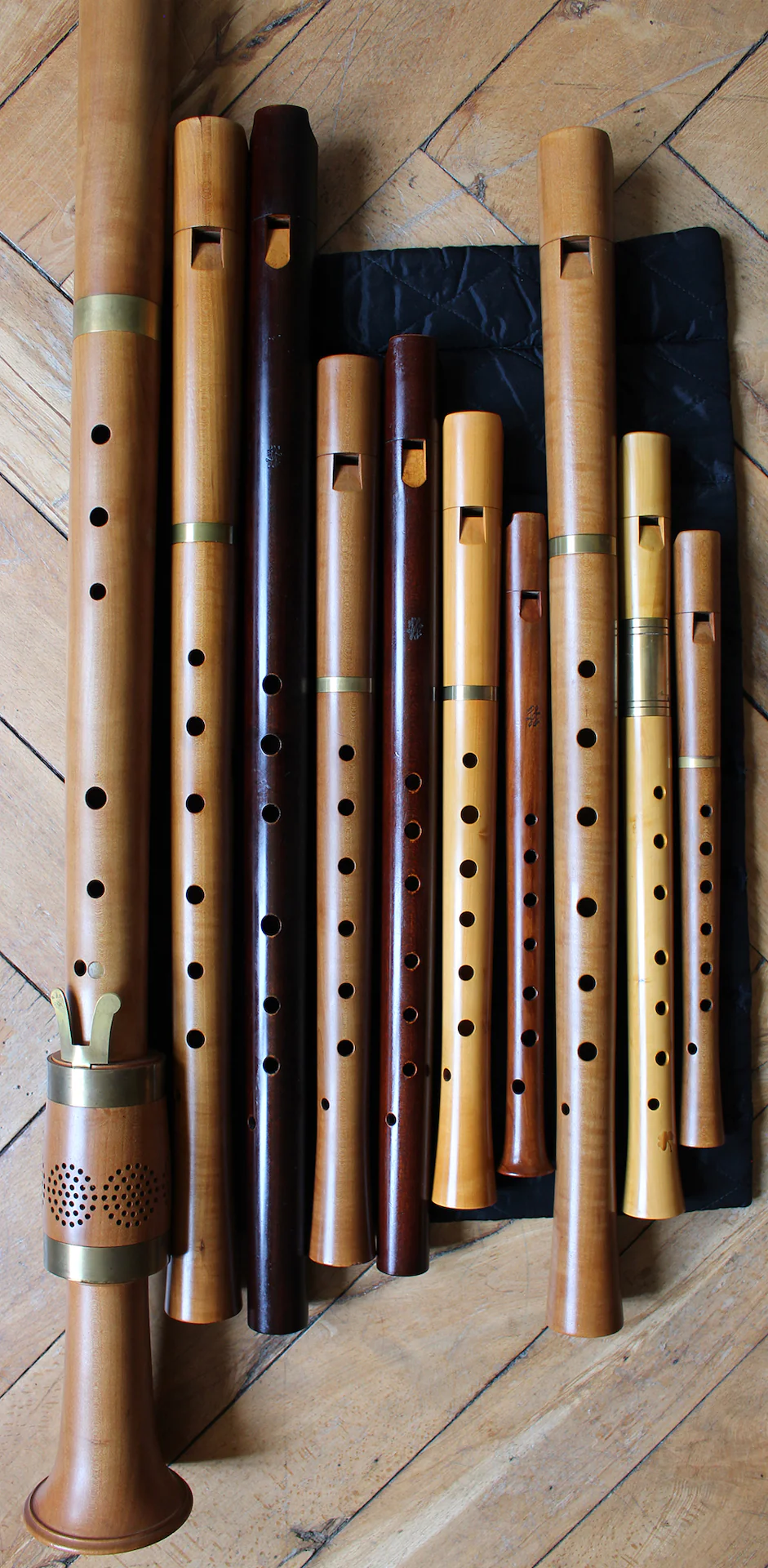
Perhaps among the most beautiful recorders ever made are those produced by the Bassano family in 16th- and early 17th-century Venice and London. Their instruments survive in a remarkable variety of sizes and were made for the consort playing that was at the heart of Renaissance instrumental music. Their beautifully balanced sound makes them ideal for madrigals, chansons, diminution repertory, and other polyphonic music.
As the recorder evolved around 1600, some of these instruments also became well suited to the emerging early Baroque repertoire, including Italian sonatas and other virtuosic music. I have a number of Renaissance and early Baroque recorders in different sizes, models, pitches, and woods, made by Konrad Junghänel, Francesco Livirghi, and Guido Klemisch.
Listen to me playing renaissance recorders with the Holborne Consort here.
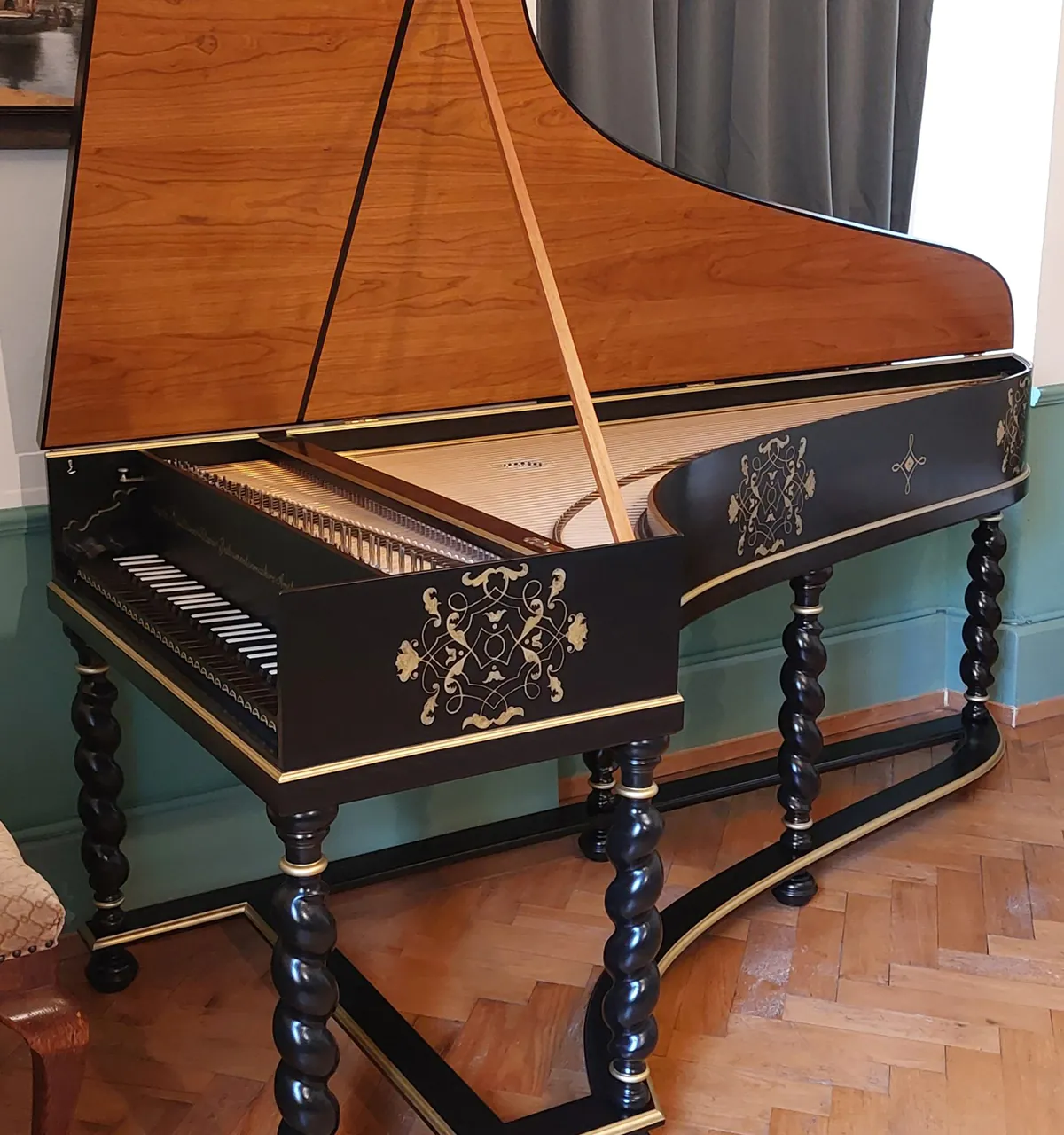
Single manual harpsichord after Christian Vater (1738)
Entirely brass strung.
BB-e”’
2×8′ with lute stop
199 x 86 cm
a’=392/415/440 hz.
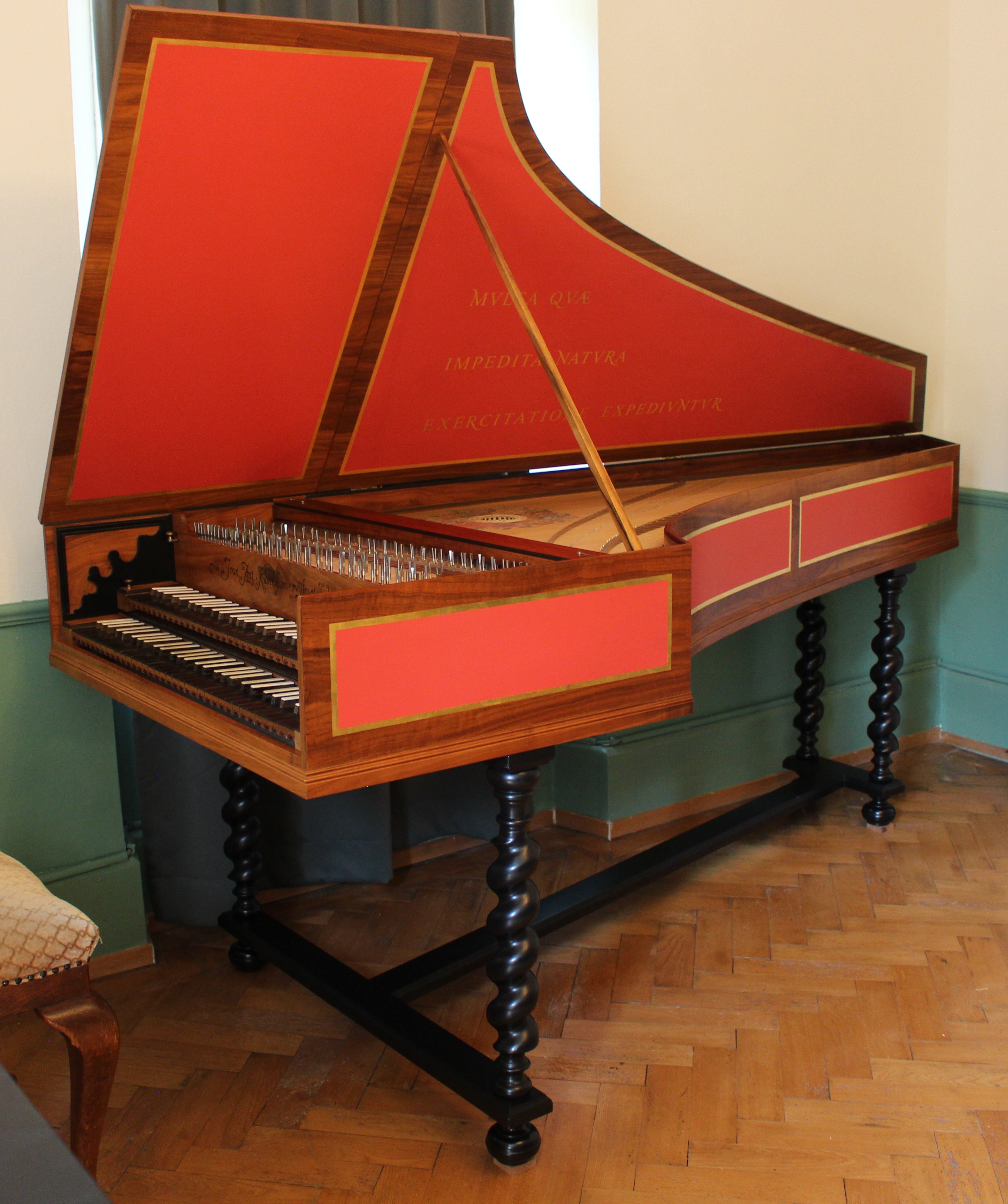
Double manual harpsichord after Claude Labreche (1690)
FF-f”’
2×8′ with lute stop
1×4′
245 x 94 cm
a'=415/440 hz.
Gallery
.jpg)
.jpg)
%20(1).jpg)
.jpg)